







Search Results for: ice drip coffee filter paper
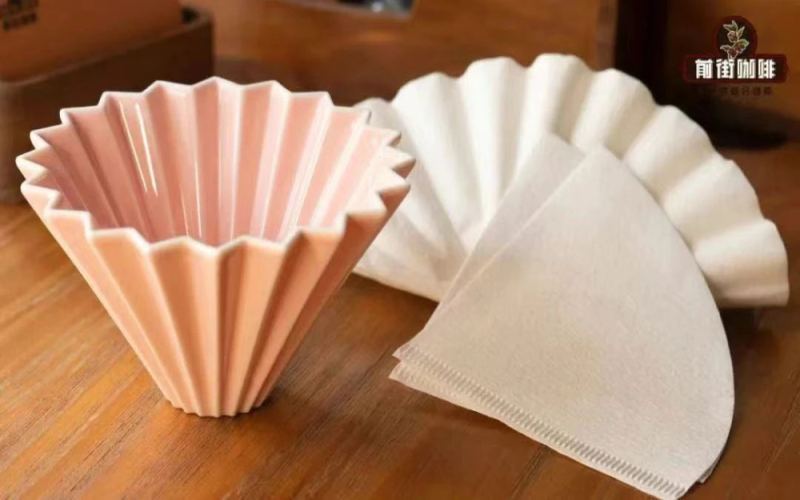
The Diverse Uses of Filter Paper in Coffee Brewing: An Analysis of Filtration Needs for Cold Brew, Ice Drip, Espresso, and Moka Pot
Can filter paper only be used for pour-over? In fact, in cold brew, ice drip, espresso, and even moka pot brewing, filter paper also plays an important role, just with different functions emphasized. This article compiles the practical experience of Front Street Coffee and explains one by one the specific uses of filter paper in different extraction methods: why cold brew needs secondary filtration, what roles the upper and lower filter papers in an ice drip brewer each play, what changes adding filter paper above the puck or at the bottom of the portafilter basket brings to espresso, whether a moka pot should use filter paper, and the correct approach to using filter paper to filter coffee grounds. Whether you are just starting out or want to refine your technique, you can find practical reference solutions here. [more…]
Detailed Guide to the Cold Brew Coffee Making Process | What Are the Time, Water-to-Coffee Ratio Parameters for Making Cold Brew Coffee? What Are the Taste Characteristics of Cold Brew Coffee?
For professional coffee knowledge exchange and more coffee bean information, please follow Coffee Workshop (WeChat public account: cafe_style). For more specialty coffee beans, please add our private WeChat Front Street Coffee (FrontStreet Coffee), WeChat ID: qjcoffeex. With the development of specialty coffee culture [more…]

From Grinding to 8 Hours of Refrigeration: A Complete Illustrated Guide to Making Cold Brew Coffee and a Detailed Explanation of the Coffee-to-Water-to-Ice Ratio
Following yesterday's sharing of the cold brew coffee method, today we turn our attention to the more challenging ice drip coffee. Compared to the simple soaking of cold brew, ice drip demands more attention to equipment, steps, and time investment, requiring more patience and meticulous operation. This article will use a combination of text and images to fully demonstrate the entire process of ice drip coffee, from equipment preparation, filter paper placement, coffee bed moistening, ice-water ratio, to drip rate control and refrigerated maturation, and will explain the 1:6:6 ratio of coffee powder to water to ice used this time and the Front Street recommended Honduras Sherry bean. Even without specialized ice drip filter paper, there is an alternative cutting solution. Follow the steps, and after a long wait, you can enjoy a cup of ice drip coffee with distinct layers. [more…]
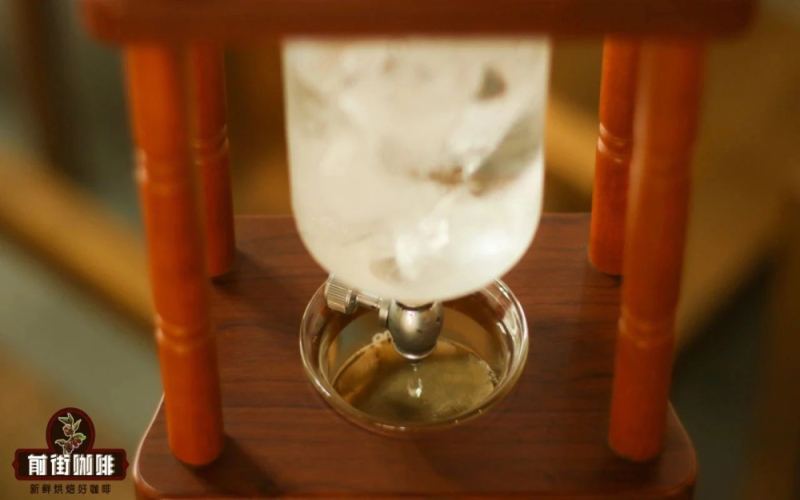
Make Cold Drip Coffee Without a Cold Drip Tower: A Simple Two-Dripper Method and Single-Origin Bean Selection Guide
Entering May, temperatures climb, and cold drip coffee becomes the top choice for beating the heat. However, professional cold drip towers are not cheap, yet are used infrequently, leaving many enthusiasts hesitant. This article will introduce a practical method for making 1-2 servings of cold drip coffee using just two drippers, with no additional equipment needed. At the same time, it will explain the principles of low-temperature extraction, flavor characteristics, detailed steps, and coffee beans suitable for cold drip. Front Street Coffee (FrontStreet Coffee) uses Panama Hartmann Estate red wine process coffee beans as an example to fully demonstrate the entire process from wetting the filter paper to resting and maturation, and shares the final flavor performance, providing coffee lovers with a reproducible home cold drip solution. [more…]
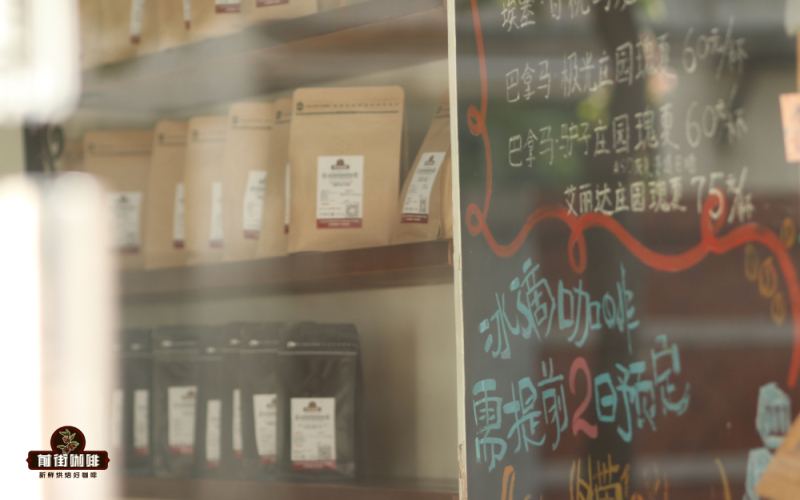
Ice Drip Coffee Flavor Characteristics and Complete Brewing Tutorial: A Detailed Guide to Equipment Selection, Drip Rate, Water-to-Coffee Ratio, and Brewing Parameters
Cold brew coffee, due to its unique low-temperature slow extraction process, presents a mellow, rich yet not astringent, smooth yet not bitter taste, and is deeply loved by coffee enthusiasts who pursue richness but fear bitterness. However, its production time is as long as 4 to 12 hours, and the equipment cost is not low, all of which are directly reflected in the selling price. This article will systematically introduce the flavor sources of cold brew coffee, the differences between the two structures of cold brew towers, the key points for using the ice chamber and the coffee powder cup, as well as the practical parameters shared by Front Street Coffee such as a 1:10 water-to-coffee ratio, pre-infusion, and 7 drops per 10 seconds, and will also include recommendations for coffee beans suitable for cold brew extraction, so that you can consistently make a clean cup of cold brew coffee at home. [more…]
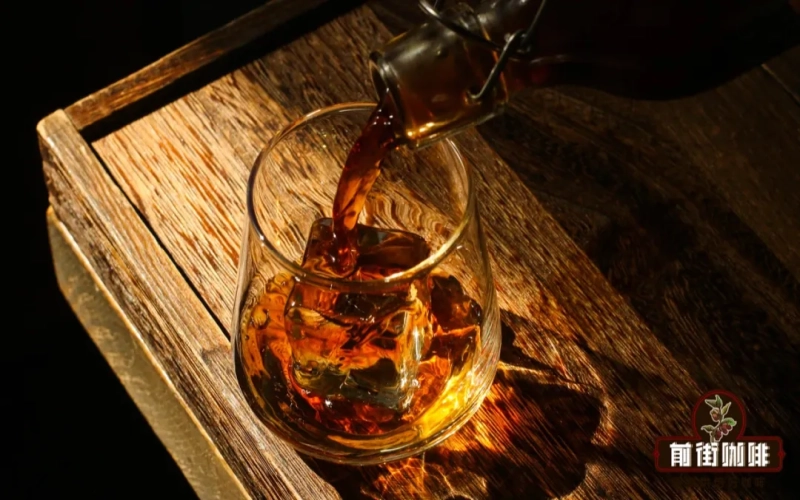
Can You Make Cold Drip Coffee Without a Cold Drip Tower? Key Points and a Complete Step-by-Step Guide for a Simplified Home Version
As temperatures rise, cold drip coffee once again becomes a favorite among many coffee lovers. Its refreshing taste and unique fermented flavor are captivating, but the price and operational threshold of professional cold drip towers deter many people. In fact, with just an ordinary dripper, a few filter papers, and ice cubes, you can replicate a rich cold drip coffee at home. This article will break down in detail the principles, equipment preparation, grind adjustment, and complete steps of making this "home version" cold drip coffee, and point out common pitfalls that easily lead to extraction failure, helping you achieve a cold drip flavor that rivals coffee shops with the simplest equipment. [more…]

No Ice Drip Pot Needed: Homemade Ice Drip Coffee Tutorial and Cold Storage Duration Guide
In hot weather, a glass of cold brew coffee always brings a refreshing coolness. Front Street Coffee's cold brew has recently been in short supply, and many people choose it not only because its flavor differs from ordinary iced coffee, but also because they feel they can't make it at home. In fact, with just a dripper, a few filter papers, ground coffee, and ice cubes, you can put together a simple "home-version cold brew tower." This article breaks down in detail the equipment, parameters, operating steps, and common mistakes of this method, while also explaining the extraction impact caused by the structural differences between a dripper and a cold brew tower, and providing a list of Front Street beans suitable for making cold brew. Finally, it will also explain how long cold brew coffee needs to be refrigerated and fermented after it is formed, as well as how long it can be stored under refrigeration and at room temperature respectively. [more…]
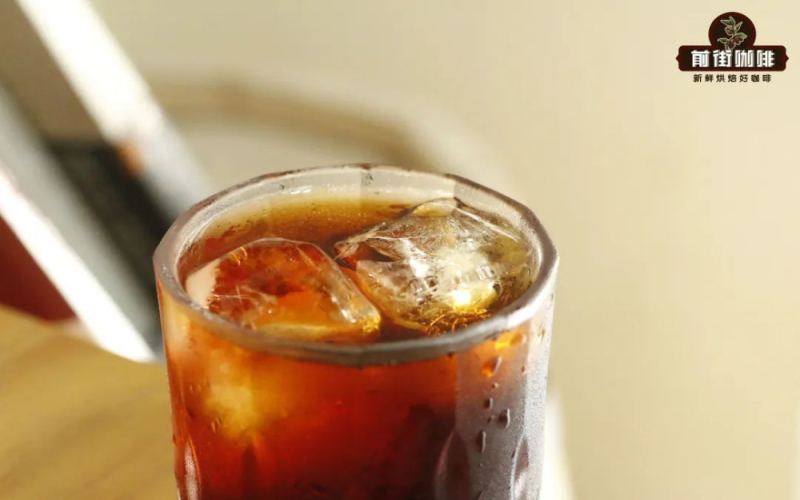
How to Make Cold Brew Coffee? A Complete Guide to Steps and Parameters from Equipment Preparation to Refrigerated Aging
In the previous article we talked about how to make cold brew coffee; this time let's raise the difficulty a bit and try our hand at making ice drip coffee. The ice drip process is more tedious than cold brew and takes more time and effort, but the cleanliness and layered complexity of the final cup are often worth the wait. The illustrated tutorial below starts with a list of equipment, then gradually explains the key details of the coffee-to-water-to-ice ratio, filter paper placement, pre-wetting the coffee grounds, setting the drip rate, and refrigerated maturation, and also includes bean recommendations suitable for ice drip. You can adjust flexibly according to your own equipment and taste preferences to make a pot of ice drip that is yours alone. [more…]
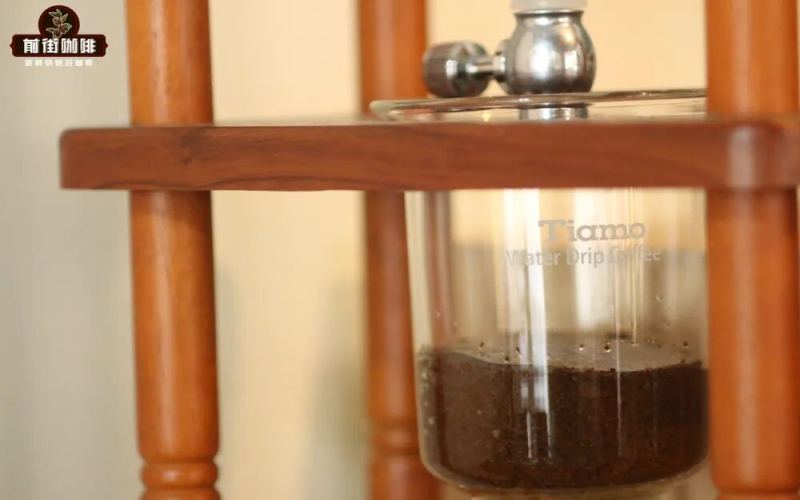
Cold Brew Coffee | Which coffee beans are suitable for cold brew coffee? What is the process for making cold brew coffee? How fine should the coffee grounds be ground for cold brew?
Making a delicious cold brew coffee requires attention to many details, such as the choice of cold brew coffee beans, grind size, coffee-to-water ratio, drip rate, storage and shelf life, and so on. So today Front Street will cover all these operational details in this article. 1. Coffee beans for making cold brew: both cold brew and ice drip belong to low-temperature extraction. [more…]
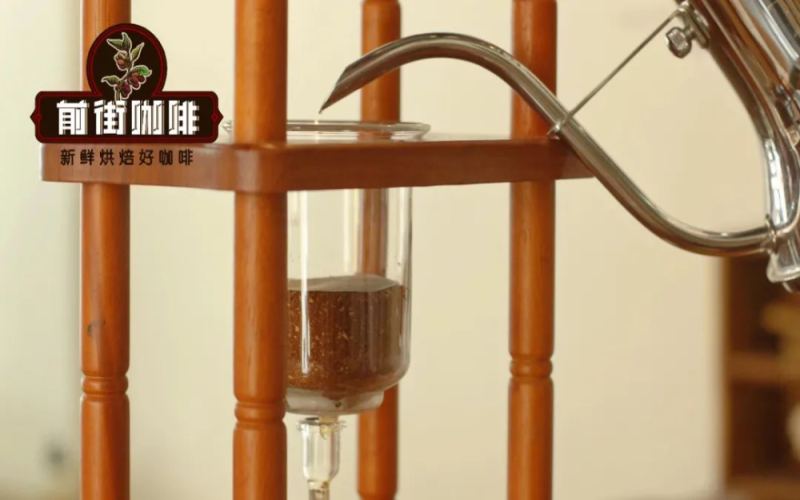
Ice Drip Coffee Powder-to-Water Ratio | How to Replicate Starbucks' Ice Drip? Affordable Single-Origin Coffee Bean Recommendations for Beginners to Make Cold Brew and Ice Drip
Choosing coffee beans—coffee beans actually determine the flavor of the coffee you make. Many people are used to coffee being bitter, especially those who love drinking coffee from a certain American coffee chain. If you are already used to drinking bitter coffee, I suggest you first try iced-drip Mandheling coffee; it lets you taste the difference between iced drip and what you usually drink. [more…]
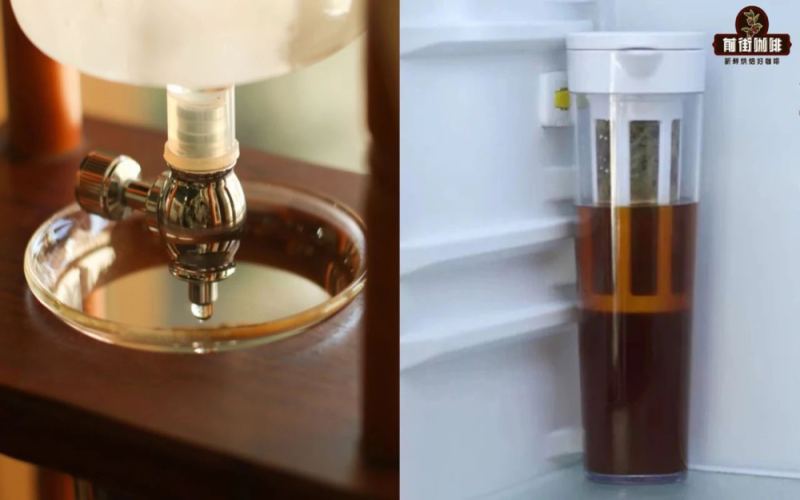
Iced Coffee | Which tastes better, cold drip coffee or cold brew coffee? What are the differences in coffee flavor and mouthfeel when making cold brew and cold drip with Sidamo coffee beans?
Which one tastes better, ice drip coffee or cold brew coffee? Front Street Coffee's baristas are often asked this, and at times like this the barista will first answer, "Both taste good." But in fact, the two coffees have different mouthfeels—it depends on whether you want a coffee with a refreshing mouthfeel or a smooth one. This time Front Street will explain what makes the two coffees different. [more…]
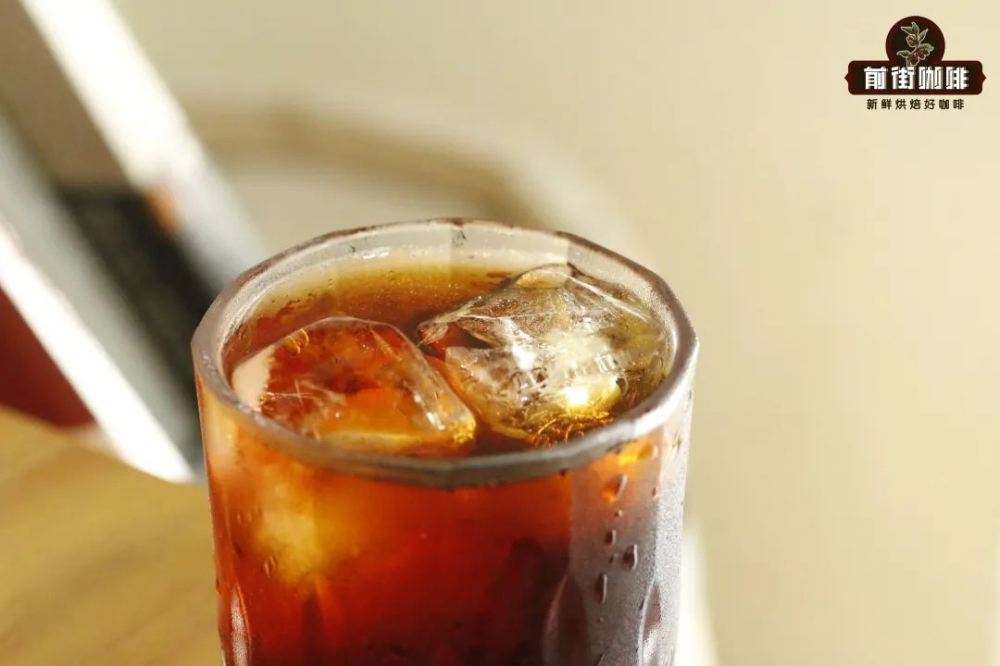
Illustrated Guide to Cold Brew Coffee Making | What Single-Origin Coffee Beans Are Suitable for Cold Brew Coffee? What Are the Specific Steps to Make Cold Brew Coffee at Home?
Yesterday we shared how to make cold brew coffee, so today let's try the challenge of making ice drip coffee! Compared with cold brew, the ice drip method is more complicated and requires more effort and time. You can refer to the text and images in this article and adjust the process to suit your own equipment and preferences~ [more…]
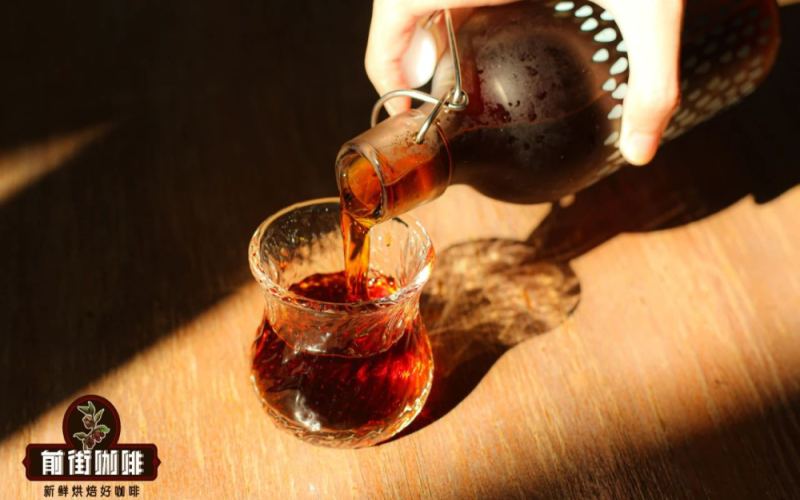
Ice Drip Coffee Powder-to-Water Ratio | Is There a Big Difference Between Ice Drip Coffee and Cold Brew Coffee? What Is the Origin of the Invention of Ice Drip Coffee? Is the Caffeine Content of Ice Drip Coffee High?
For more specialty coffee knowledge, please follow: Front Street Coffee (Frontsteet Coffee) Both ice drip coffee and cold brew coffee are relatively common cold-brewed coffee methods, and their refreshing taste makes many people love them. So what is the difference in flavor between ice drip coffee and cold brew coffee? Front Street below [more…]
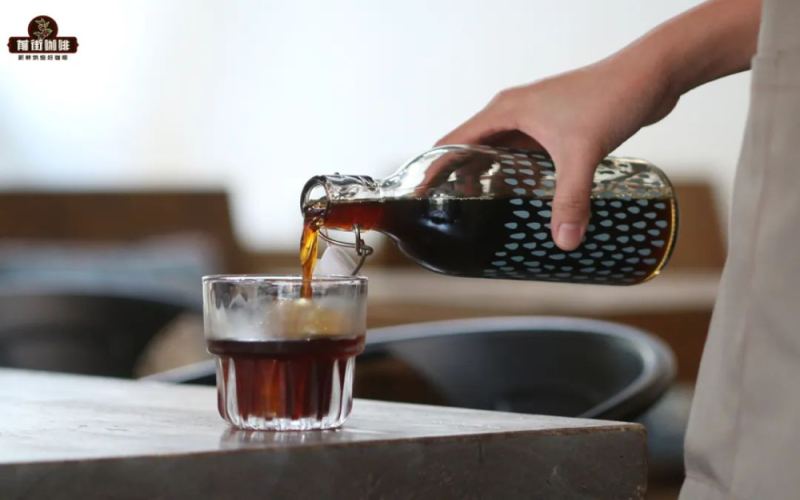
Cold Brew Coffee Grind Size Recommendations | What Are the Coffee-to-Water Ratios and Techniques for Making Cold Brew Coffee? Can Blended Coffee Beans Be Used for Cold Brew Coffee?
What makes a good cold brew coffee? There is no detailed standard; everyone has their own methods and standards. What details should be noted when making cold brew coffee—bean selection, grind size, coffee-to-water ratio, drip rate, storage and shelf life, and so on? Today's article will cover various operational details. [more…]
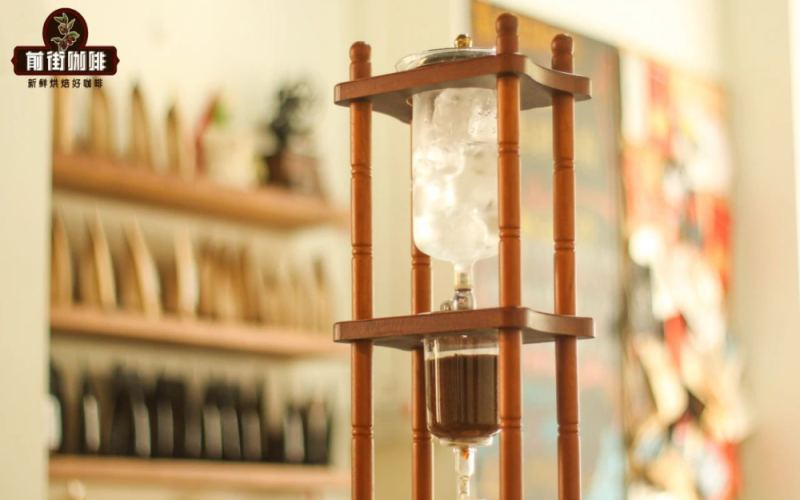
Flavor Characteristics of Cold Brew Coffee and Specialty Bean Selection: A Complete Brewing Guide from Dark Roast to Light Roast
Cold brew coffee is made by slowly infusing coffee grounds with ice water and completing the extraction by controlling the drip rate, resulting in a smooth, full-bodied cup with concentrated aroma. Beans of different roast levels bring completely different flavor directions—dark roasts suit those seeking richness and a sweet finish, while light roasts can showcase floral and fruity aromas and layered complexity. This article centers on the characteristics of cold brew coffee, first introducing several Front Street Coffee beans suitable for making cold brew, then using 60g of Front Street Coffee Huakui as an example to explain the standard cold brew process step by step, including grind size, bed preparation, filter paper placement, blooming and wetting, drip rate adjustment, and the key details of refrigerated oxidation after completion, helping coffee lovers reliably recreate a delicious cup of cold brew at home. [more…]
The Complete Guide to Specialty Coffee Brewing: An Analysis of Common Methods Including Paper Filter, Cloth Filter, Siphon, and Steam Pressure
To brew a great cup of coffee at home, choosing the right method matters more than buying expensive equipment. This article systematically sorts through several common brewing methods—paper filter drip, flannel filter, steam pressure, siphon, cold drip, and iced coffee—explaining one by one their key operating points, grind size, and flavor characteristics. The content covers key details such as equipment selection, coffee-to-water ratio, water temperature control, and pouring technique, making it suitable for coffee enthusiasts who want to advance their skills. Whether you prefer a clean, bright cup or a rich, full-bodied one, you'll find a corresponding brewing approach here. [more…]
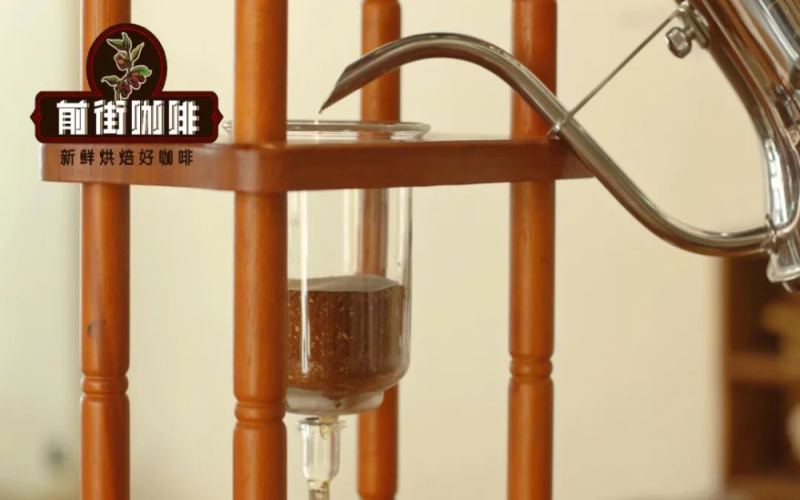
The Complete Guide to Making Cold Brew Coffee: Detailed Steps from Bean Selection to Refrigerated Fermentation and Front Street Flavor Recommendations
Cold brew coffee, with its refreshing taste and rich layers of flavor, has become a favorite among many coffee lovers. To make a delicious cold brew, every step is crucial, from choosing the coffee beans to controlling the drip rate. This article starts with the principles of bean selection and, combined with recommendations for several Front Street Coffee beans, explains in detail the process of making cold brew coffee, including the ratio of coffee grounds to water to ice, techniques for using filter paper, drip rate control, and the refrigeration and fermentation time required. Whether you are a beginner just getting into cold brew or an advanced brewer looking to improve your output quality, you will find practical guidance in this guide. [more…]
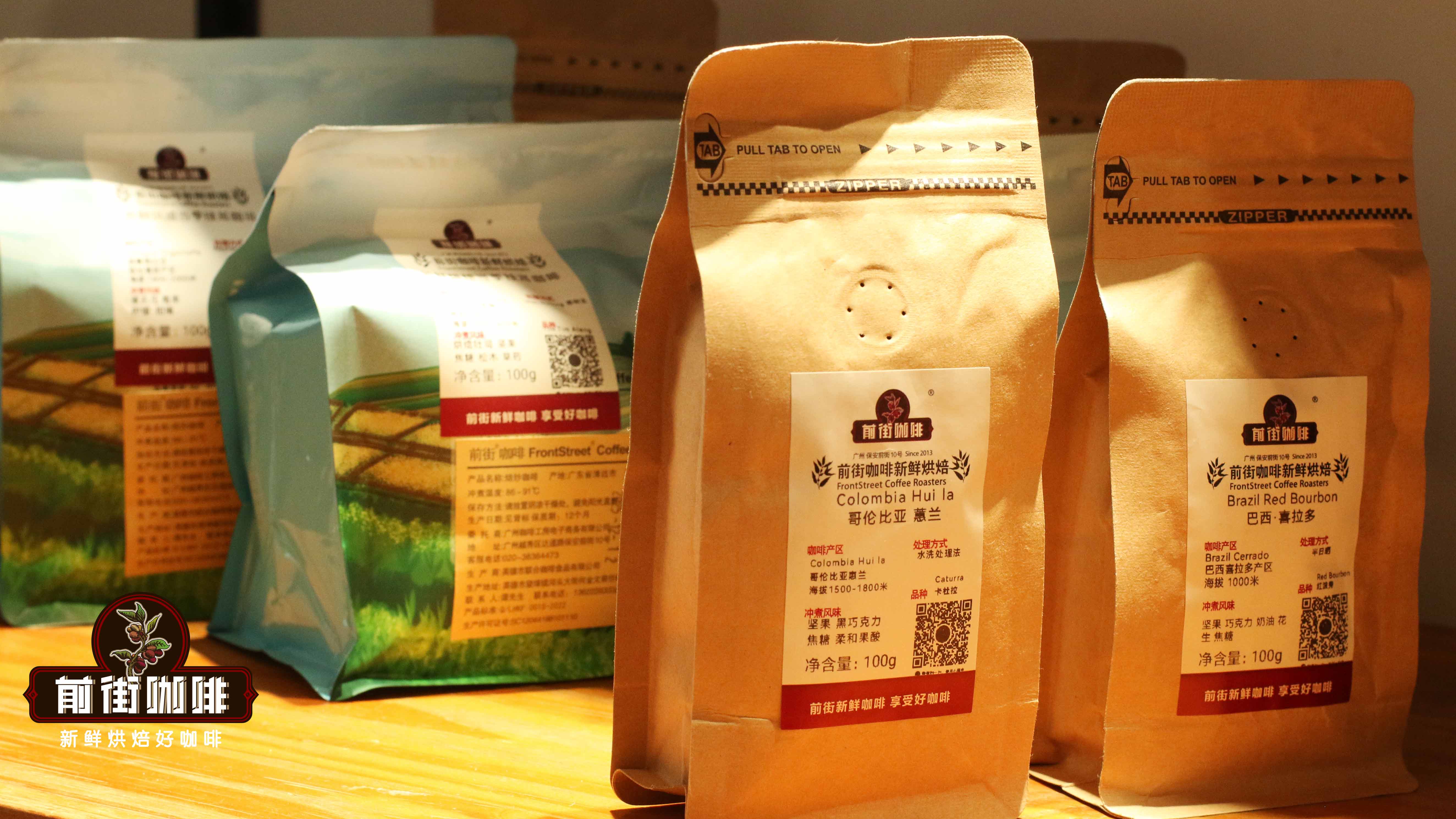
Ice Drip Coffee Flavor Characteristics | What Are the Advantages of Cold Brew Coffee? Which Light, Medium, and Dark Roast Specialty Coffee Beans Are Recommended for Ice Drip, Cold Brew, and Iced Pour-Over Coffee?
Cold brew refers to saturating coffee grounds with ice water until moistened, then slowly dripping through while adjusting the drip rate; the resulting coffee is aromatic, smooth, and full-bodied, with flavors that vary depending on the beans chosen. The advantages of cold brew coffee are that it is neither sour nor astringent and does not upset the stomach, because when coffee is made by this method, the selected [more…]

Ice Drip Coffee Fermentation Duration and Cold Brew Optimal Drinking Window: Production Key Points and Storage Recommendations
Cold brew coffee takes a long time to make, so it is often available only in limited quantities at cafés. It originated in Europe and is said to have been invented by the Dutch, which is why it is also called Dutch Coffee. During preparation, ice water seeps through the coffee grounds by dripping naturally, eventually flowing drop by drop into the lower pot, so it is also known as water-drip coffee, and the whole process usually takes more than 8 hours. This article will introduce the steps for making cold brew coffee in detail, including the key aspects of the coffee-to-water-to-ice ratio, grind size selection, filter paper placement, and drip rate control, while also answering common questions about cold brew coffee fermentation time and the best drinking period. The article also uses Front Street Strawberry Candy coffee beans as an example for a practical demonstration and explains the effect of low-temperature refrigeration "aging" on flavor, as well as why it is recommended to drink it within 5 days. [more…]
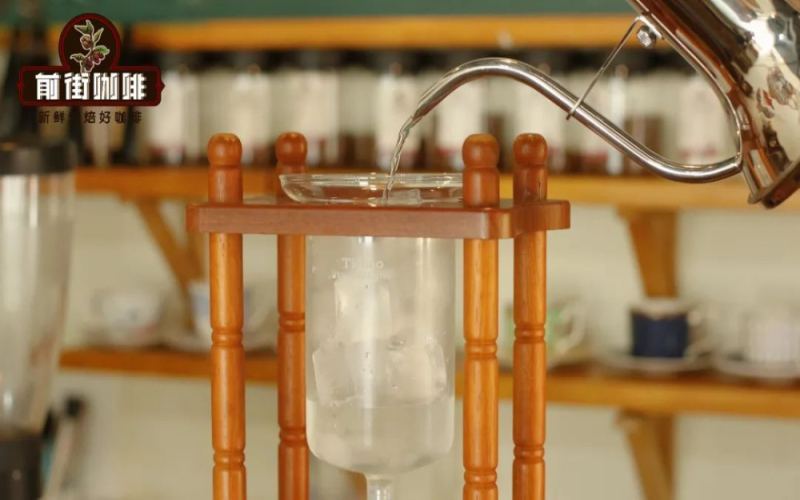
Annual Review and Buying Guide of Cold Brew Coffee Maker Brands: A Complete Practical Analysis from Bean Selection to Extraction Details
As a low-temperature slow-extraction beverage, cold brew drip coffee has won increasing favor among coffee enthusiasts in recent years. This article walks through the entire process of making cold brew drip coffee, covering everything from the principles of selecting coffee beans and controlling grind size, to tamping technique, pre-wetting steps, filter paper placement, drip rate and coffee-to-water ratio, and the timing of refrigerated fermentation, explaining each in detail one by one. At the same time, drawing on Front Street Coffee's actual production experience, it shares a variety of single-origin bean recipes and blending ideas suitable for cold brew drip, helping readers make a cup of cold brew drip coffee with a clean flavor and balanced acidity and sweetness at home. [more…]